
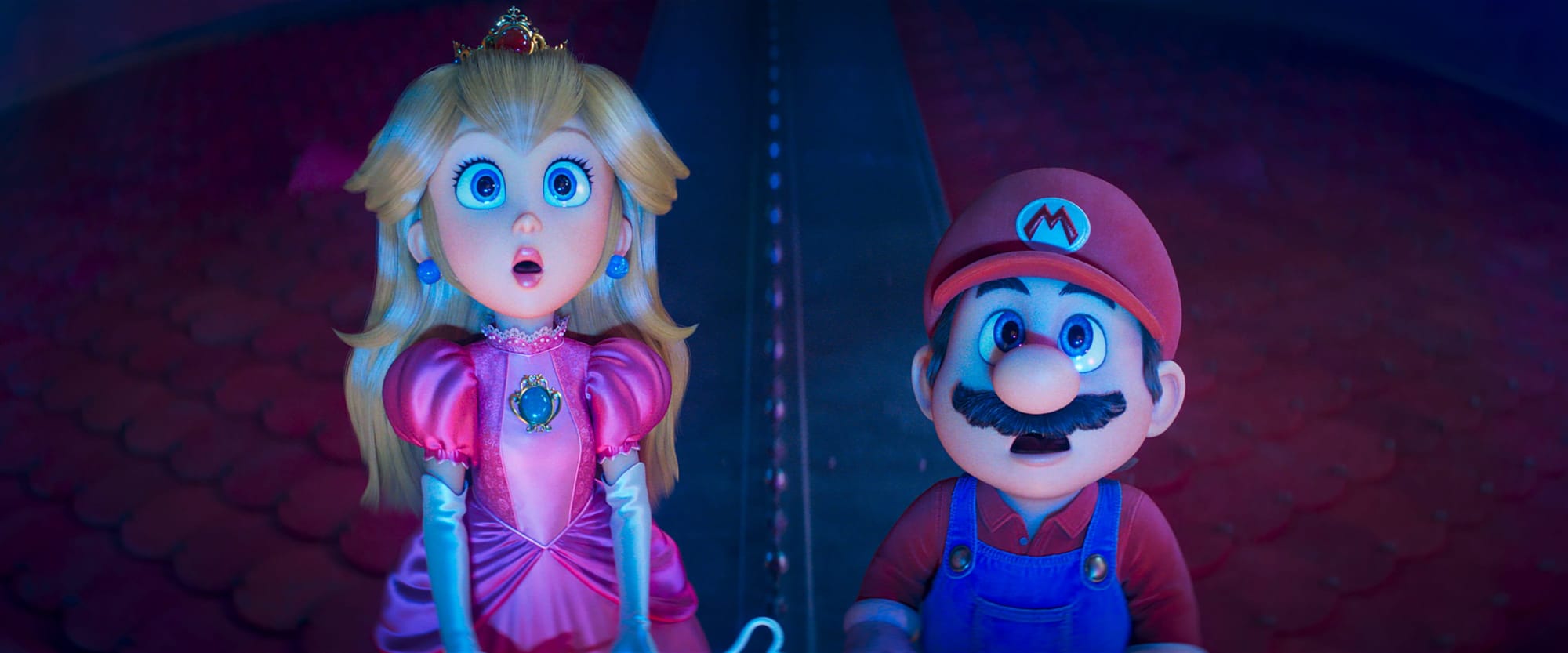
It is. It really is. Your kids will enjoy it. My youngest son, Asher, laughed gleefully out loud several times in the theater. And, at a few key points, even I couldn't help but grin, turn, and look my kids to see their reactions to what was happening on screen. That was fun. And I guess a lot of other people agreed; the movie made almost $850 million dollars in thirty (30) days.
But it's not a good movie. Really it's barely a movie. The visuals are great, the familiar beeps and boops of the Mario games are a bop, and there are a couple cameos and visual flourishes that injected life and interest in an otherwise non-existent story.
It is a tale...
full of sound and fury
Signifying nothing.
-— William Shakespeare, Macbeth, Act V, Scene V
I loved so many stories and media franchises growing up: Star Wars, Super Mario Bros., Zelda, Final Fantasy, World of Warcraft, Pokémon. Star Wars reflected a (at least on outward appearance) morally simpler time. It was the Cold War era, and the bad guys and good guys were clear. Games, too, have historically had simplistic narratives, though that has changed quite a bit in the last decade.
Maybe it's a factor of middle adulthood and the realization that the world is much more complicated than I was led to believe. Or maybe it's simply that our times are more complex. When I was a kid, things seemed so much simpler; now, everything is deeply complicated.
The Lego Movie - the Anti-Mario Movie
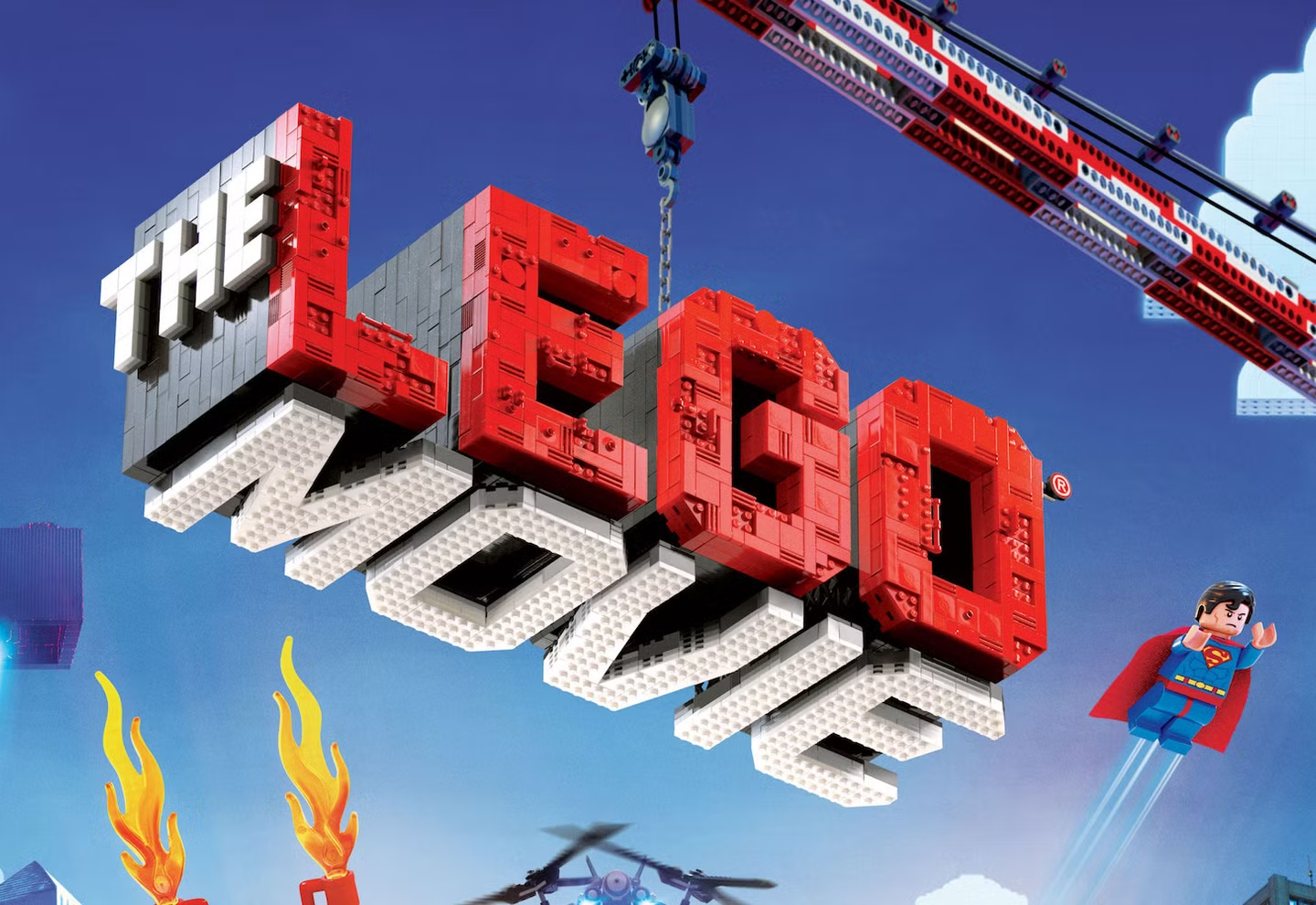
I expected absolutely nothing from The Lego Movie other than that it would continue the terrible tradition of media as a feature-length advertisement for toys. (Shame on you, Ninjago). Instead, the directors (Phil Lord and Chris Miller) subverted our expectations and delivered a frenetically paced movie that had something meaningful to say about the nature of play, the value of creativity in the face of conformity, and finding beauty in imperfection.
Lord of the Rings & Game of Thrones
My peanut butter and jelly of fantasy fiction. Lord of the Rings is one of my all-time favorite works of fiction, and it helped cultivate my love for the fantasy genre.
Enter Game of Thrones. Despite the many reasons for religious (and non-religious) people to find the material upsetting, I found Game of Thrones fascinating (and also upsetting at times), particularly because of its detailed and nuanced approach to the world and how it handles action, consequence, idealism, pragmatism, and politics. George R.R. Martin famously talked about his approach to writing A Song of Ice and Fire by comparing it to The Lord of the Rings. In a 2014 Rolling Stone interview, he addressed the victory and rule of Aragorn:
Ruling is hard. This was maybe my answer to Tolkien... Tolkien can say that Aragorn became king and ruled for a hundred years, and he was wise and good. But Tolkien doesn’t ask the question: What was Aragorn’s tax policy? Did he maintain a standing army? What did he do in times of flood and famine? And what about all these orcs? ... Did Aragorn pursue a policy of systematic genocide and kill them? Even the little baby orcs, in their little orc cradles?
G.R.R. Martin - Rolling Stone, 2014
While I absolutely adore Lord of the Rings for its shining concepts and ideas, I also yearned for something that wanted to grapple with these kinds of harder, more complex, and nuanced questions—because these are the questions that I find myself increasingly needing to reason through today. To be clear, I am not saying that I get my moral guidance on navigating life in 2026 from Jaime Lannister. It's just that I find comfort in the fact that people are grappling with the world not just as we want it to be, but as it actually is.
And for those who are not familiar with the A Song of Ice and Fire series, even though it takes place in a very intense and brutal world, it is not a world devoid of beauty. The acts of heroism, sacrifice, grace, forgiveness, and redemption stand out all the more against the backdrop of its unforgiving landscape.
Andor
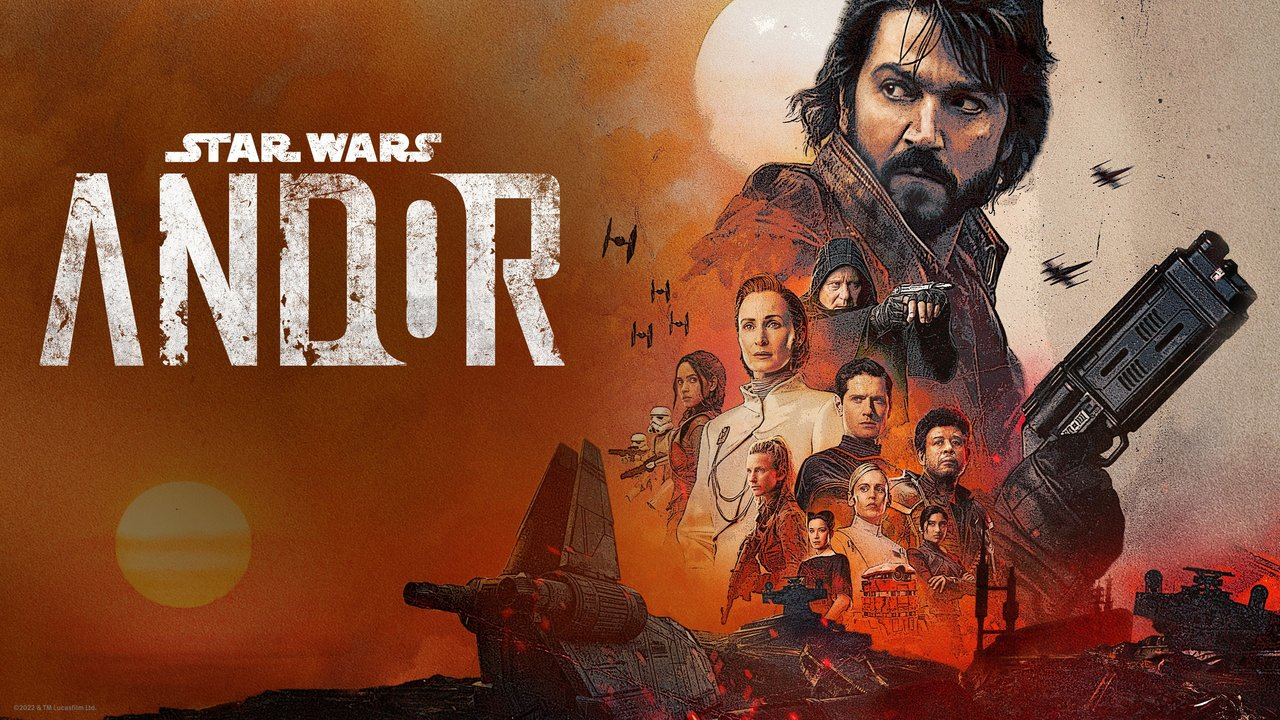
To those who have listened, I have long preached my love for the TV series Andor. I have done so probably to the point of exhausting them with my full-throated and enthusiastic praise for the show. It is, for me, one of the best and most prescient works of fiction that I have ever watched. I think about the iconography, lines, and scenes from the show often—particularly in the world we exist in now.
Star Wars has so much value to me, and to the market, for the pure nostalgia its stories and iconography bring. But the fact that something like Andor could come out and say something so resonant about the themes of immigration, abuse of power, corruption, the costs of fighting, and sacrifice—it single-handedly raised the bar of my expectations for cinematic stories going forward.
Not Throwing Away Our Shot
With corporate media consolidation well underway and polarization between our fellow humans increasing, one of the very few remaining threads that unites large swaths of humanity is shared culture—these works of art that connect people across the globe, cutting across race, culture, and socioeconomic status. There are only so many of those, and I would hope that as we work to create art and culture, we would have a similar mindset as Roger Ebert:
“We all are born with a certain package. We are who we are: where we were born, who we were born as, how we were raised. We’re kind of stuck inside that person, and the purpose of civilization and growth is to be able to reach out and empathize a little bit with other people. And for me, the movies are like a machine that generates empathy. It lets you understand a little bit more about different hopes, aspirations, dreams and fears. It helps us to identify with the people who are sharing this journey with us.”
- Roger Ebert - "Moving Through Empathy on Life Itself"
One might say that our struggle isn't against flesh and blood but against powers and ideas that set us against the wrong things - each other, ourselves, God.
In this world riven by conflict, increasingly endemic polarization amplified by social media echo chambers, and distrust of neighbors, it's the stories we tell, the songs we sing, and the artists who tell them that will play an important in bridging the gap. The gap of empathy. You cannot hate the person whose struggle you empathize with. You may not agree with them. But if you can stand in their shoes for at least two and a half hours, you will be that much less likely to hate them.
And so, you see the crux of my argument: a work that is purely for nostalgia's sake is perhaps the most selfish and self-centered of endeavors. It's something to be enjoyed only by those on the inside—the ones who know the Konami code and who recognize all the references. But the works that can use nostalgia as an entry point, and then do something that helps us better understand and love our neighbor - now that's what I want for all franchise filmmaking. Maybe the next one will be better.
Thanks for reading. If you got something out of this, consider subscribing for updates and access to more articles on the site.
I've been getting a lot of very kind feedback from people about the blog. Thank you for taking the time to read and share your thoughts. I've heard several people loud and clear about wanting to see more stories about the early Liferay days—so don't worry, more posts are coming on that!